
Ladybug Button Fine Motor Activity
Affiliate and Referral links are used below to promote products I love and recommend. I receive a commission on any purchases made through these links. Please see my disclosure policy for more details. As an Amazon Associate, I earn from qualifying purchases.
If your child is learning how to button their clothes, this playful ladybug activity is a wonderful way to practice that skill without the frustration that can sometimes come with getting dressed.
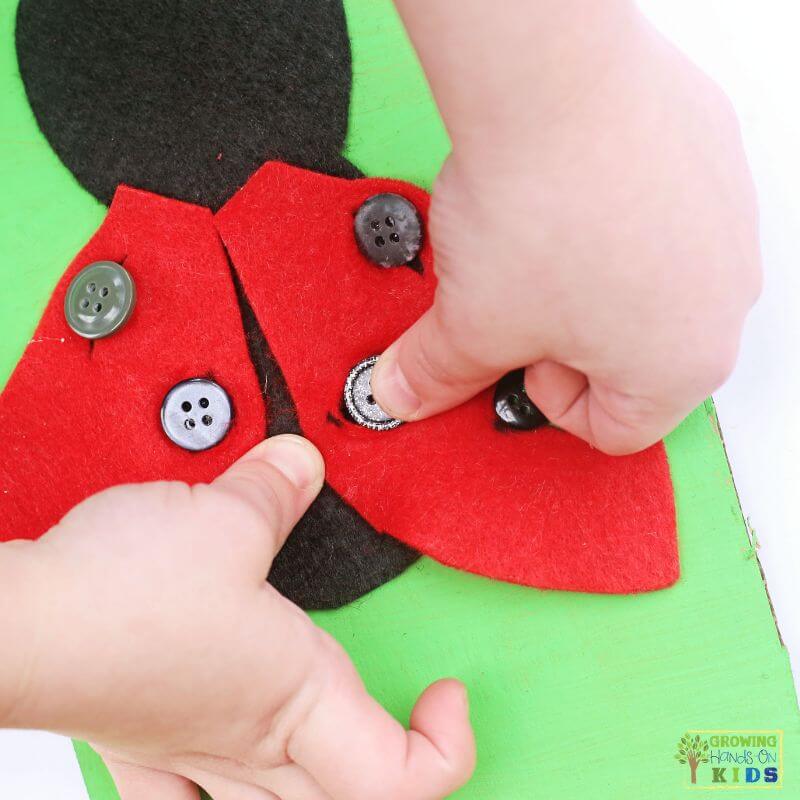
Buttoning can be tricky for little hands. It takes strength, coordination, and patience… and when kids are trying to do it on their own clothing, it can feel overwhelming. That’s why practicing buttoning through play is such a powerful approach.
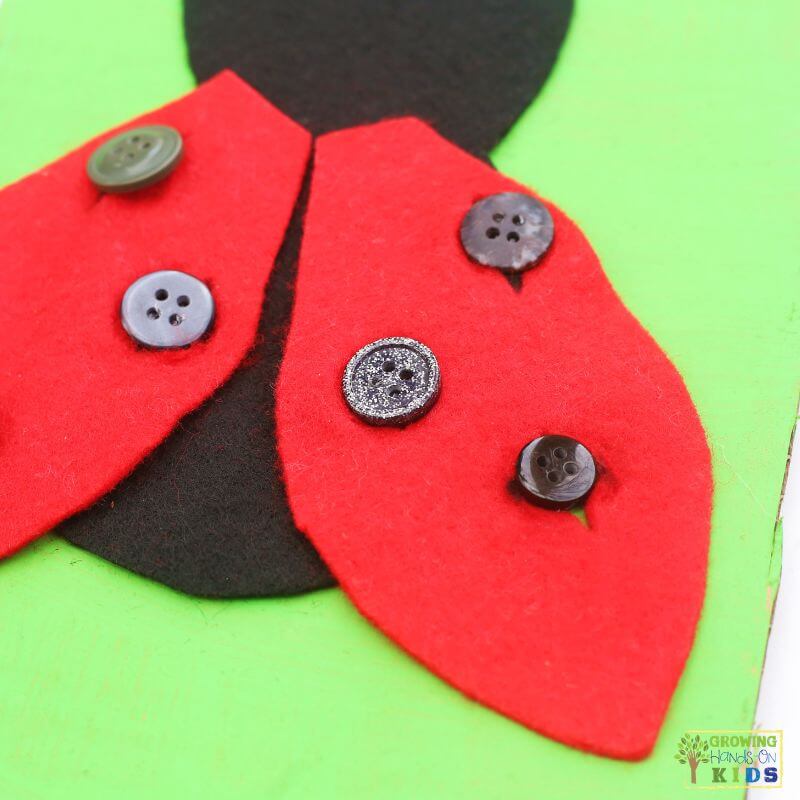
This ladybug activity creates a low-pressure, hands-on way for kids to build confidence with buttoning skills. The felt wings are soft and easy to handle, and the buttons are positioned on a stable surface, making it easier for kids to focus on the movement without worrying about wiggly fabric or tricky angles.
At home, this can be a fun, no-stress way to support independence with dressing skills. In the classroom, it works beautifully as a quiet fine motor center or morning tub activity. And in a therapy session, it offers a functional, engaging way to target buttoning goals while keeping kids motivated and successful.
Instead of practicing buttoning only when they have to (like getting dressed in a hurry), kids get to explore the skill through play and build the coordination and confidence they need to carry it over into real-life tasks.
Ladybug Button Fine Motor Activity Tutorial
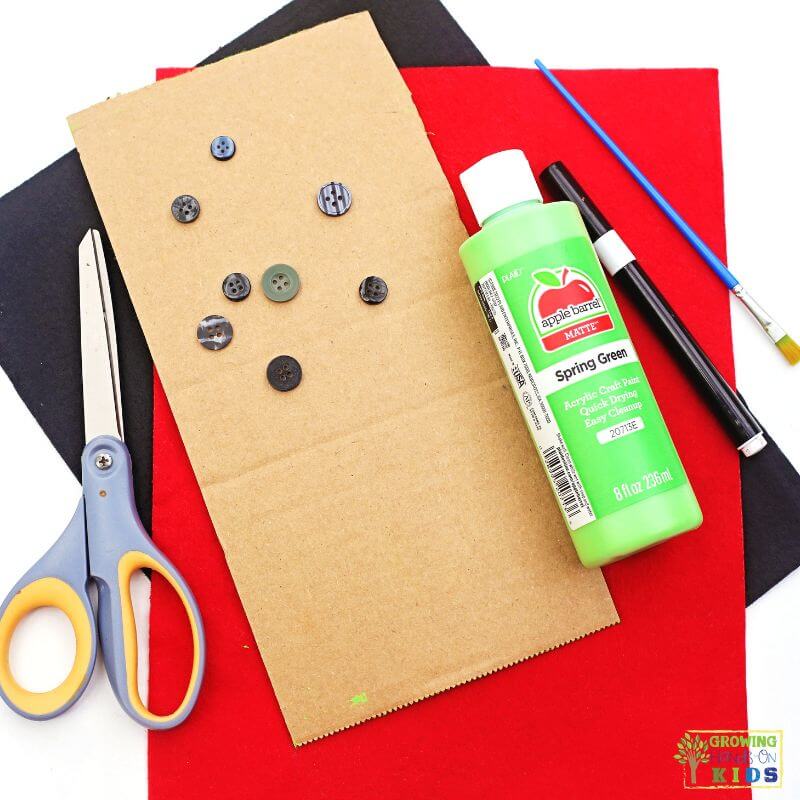
Supplies
- Cardboard
- Green paint and paintbrush
- Black felt
- Red felt
- Black buttons
- Glue
- Marker
- Scissors
Instructions
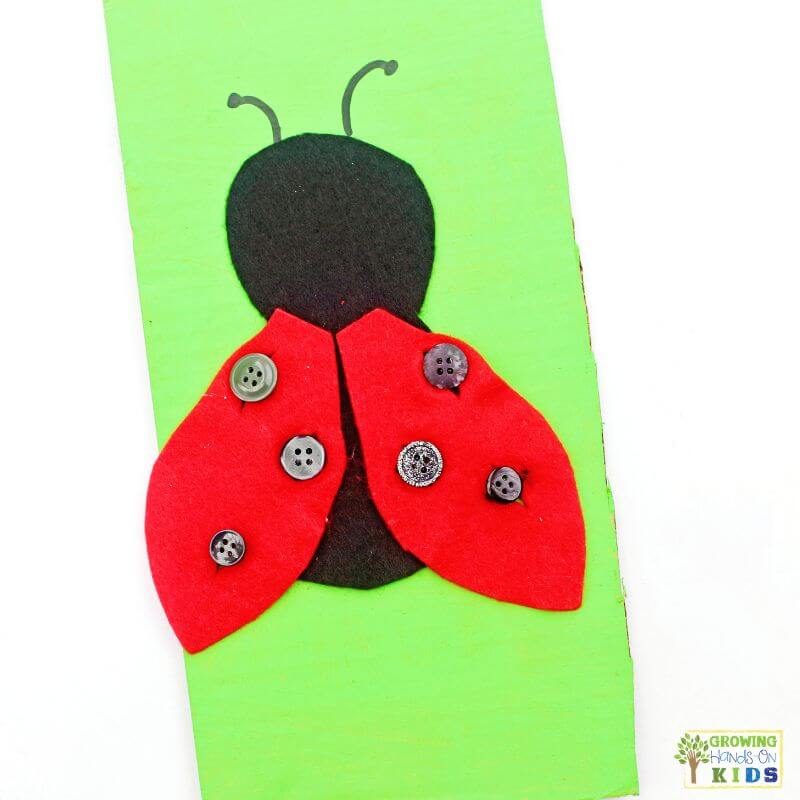
- Paint the background
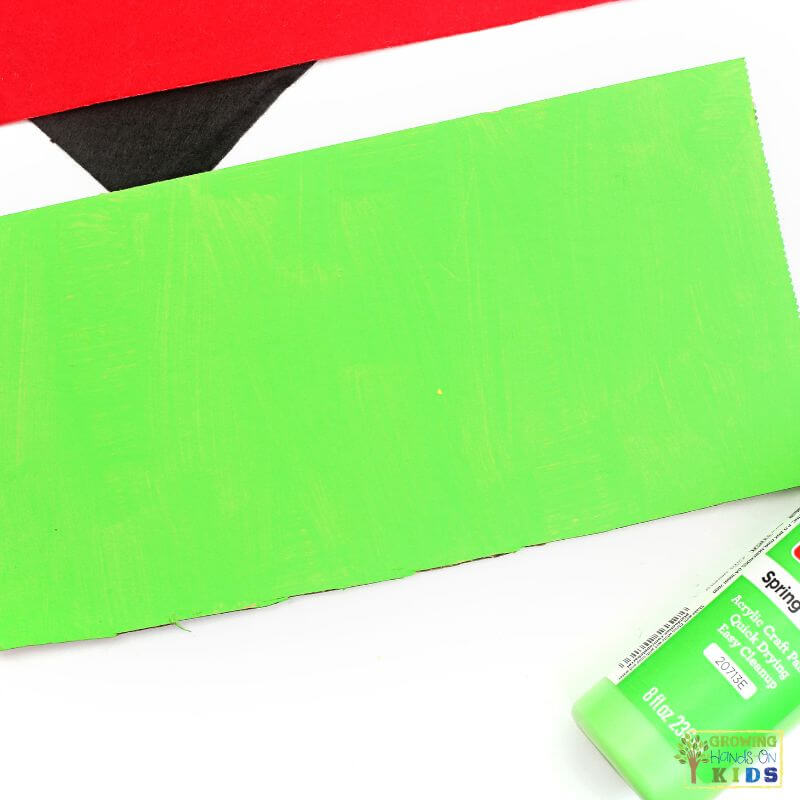
Paint a piece of cardboard green and set it aside to dry completely. - Create the ladybug body
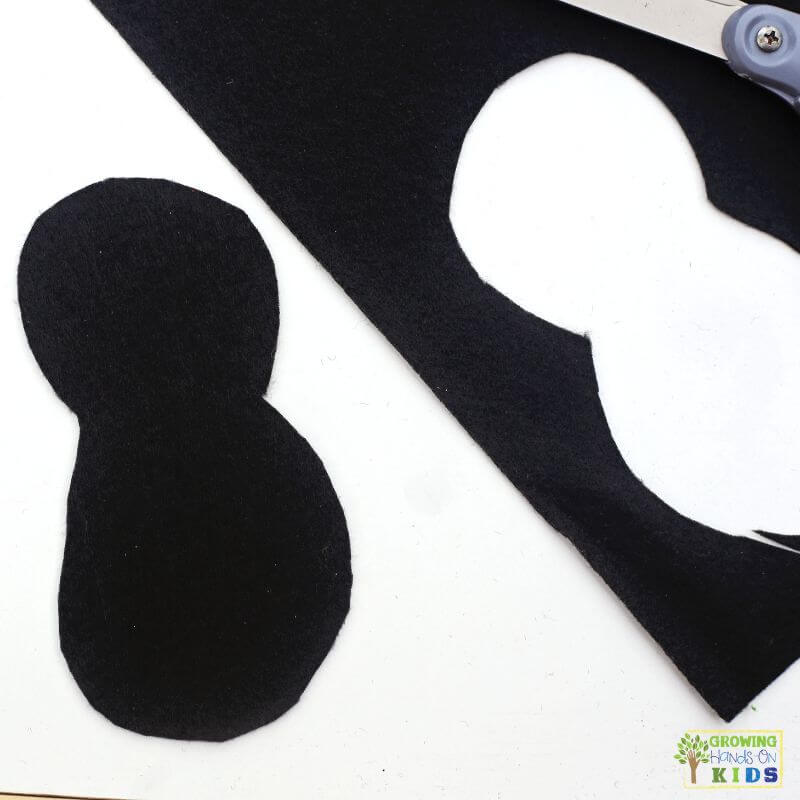
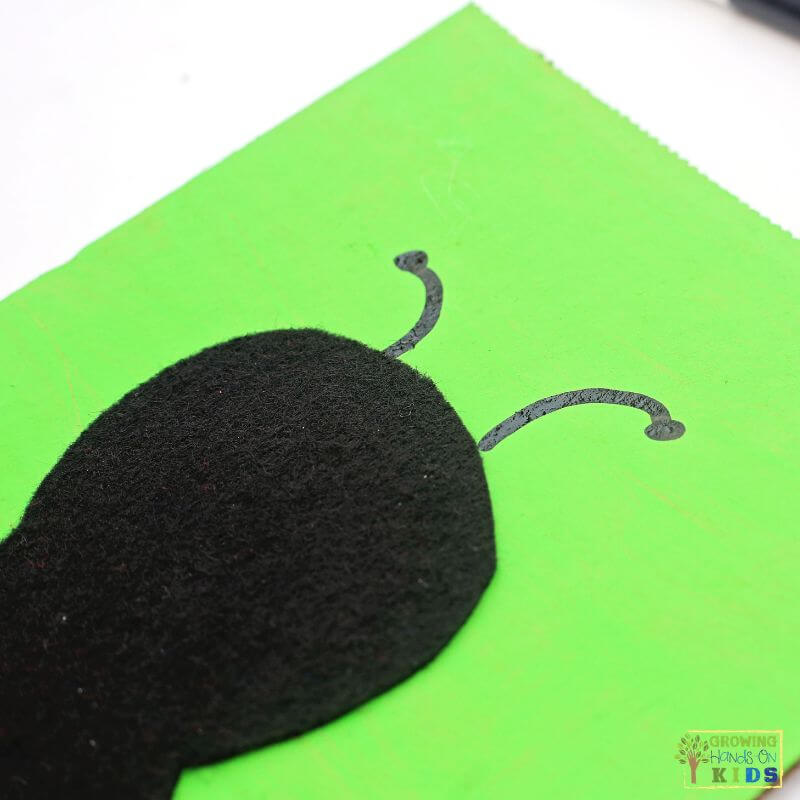
Cut a simple ladybug body shape from black felt. Glue it near the center of the cardboard. - Add antennae
Use a marker to draw two curved antennae at the top of the ladybug’s head. - Prepare the wings
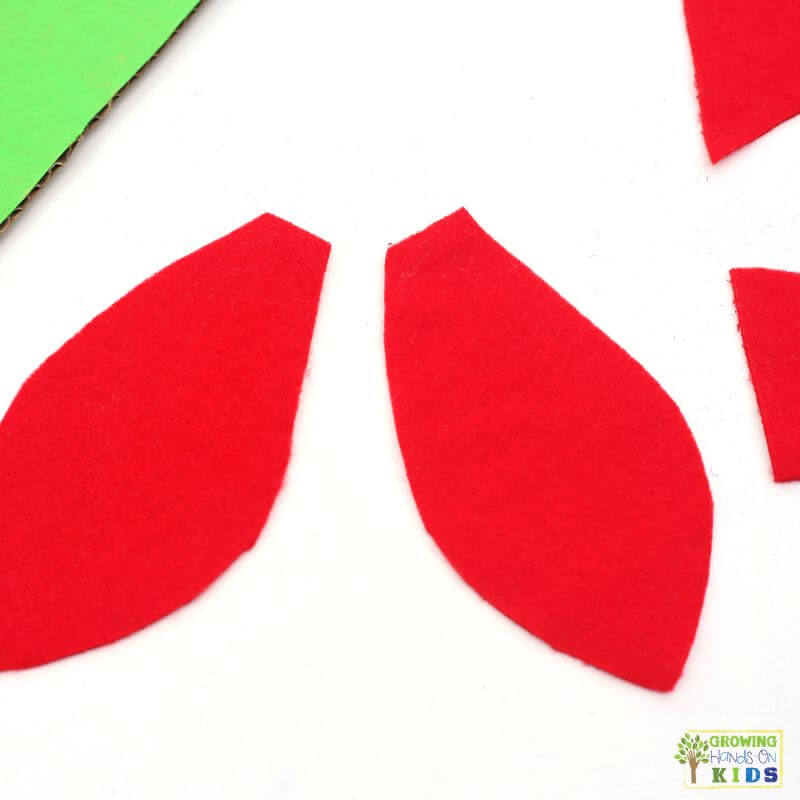
Cut out two red wing shapes from felt. Do not glue them down. - Place the buttons
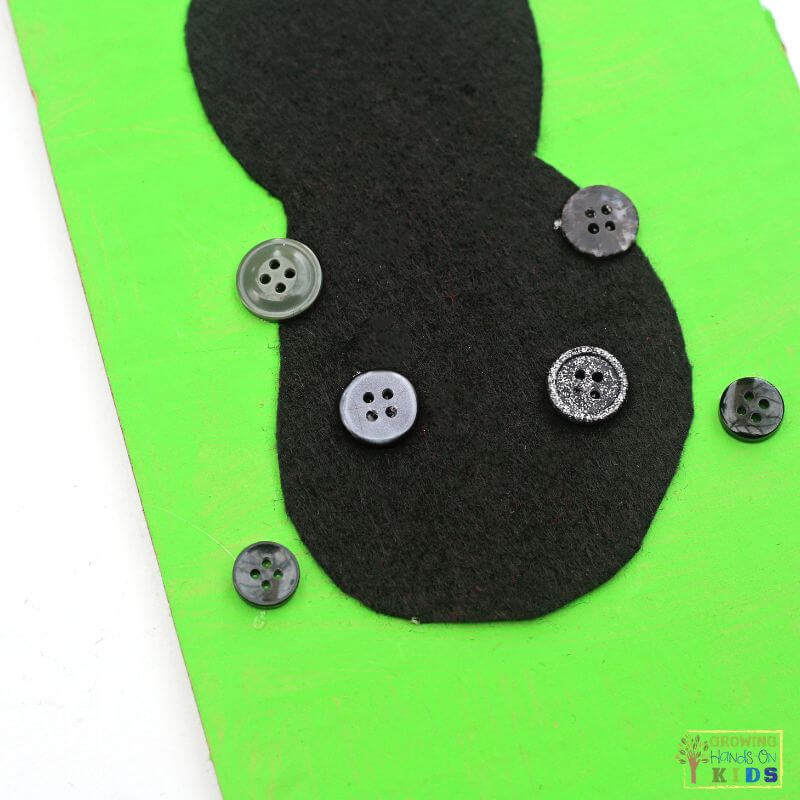
Glue black buttons directly onto the cardboard and felt where the wings will lie. Space them out so kids have multiple threading spots. - Thread the buttons
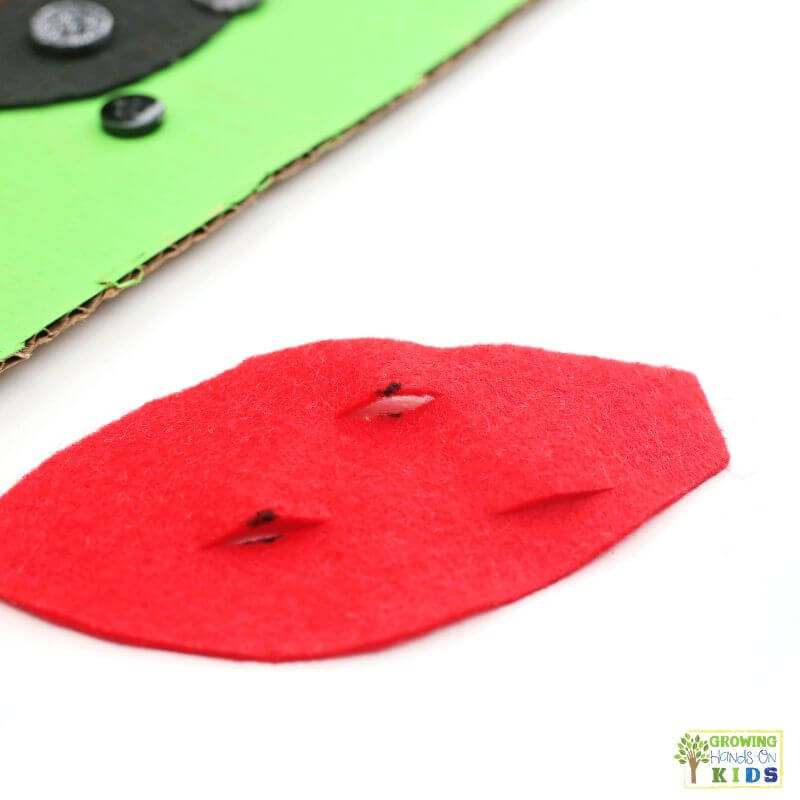
Invite kids to place the wings on top of the buttons and thread the buttons through the felt holes, attaching and removing the wings again and again.
Why This Activity Is So Powerful for Development
This sweet little ladybug is doing a lot more than it looks like on the surface. As kids play, they’re building foundational skills that support everyday tasks at home, school, and beyond.
Strengthens fine motor muscles
Threading the buttons and pushing them through the felt wings helps build strength in the small muscles of the hands and fingers. These are the same muscles kids use for holding a pencil, buttoning clothing, managing zippers, and opening containers. Activities like this are a great pre-writing workout without ever picking up a pencil.
Develops bilateral coordination
Kids use both hands together—one hand to hold the wing steady and the other to guide the button through. This “two hands working together” skill is essential for tasks like cutting with scissors, tying shoes, and managing clothing fasteners.
Improves eye-hand coordination and precision
Lining up the button with the hole in the felt wing takes visual attention and careful finger control. Kids learn to adjust their movements, refine their aim, and make small corrections, which are all important for handwriting and tool use later on.
Builds finger isolation and control
Manipulating buttons encourages kids to use individual fingers (especially the thumb and index finger), which helps develop a more mature grasp pattern. This supports better control for tasks like getting dressed, coloring, writing, and using small classroom tools.
Encourages problem-solving and persistence
Sometimes the button doesn’t go through on the first try, and that’s okay! Kids learn to slow down, adjust their approach, and try again. These moments build patience, flexibility, and confidence in their abilities.
Supports attention and focus
This type of hands-on, repetitive activity can be very calming and organizing for the brain. It’s a wonderful way to help kids settle into focused play, especially for those who benefit from sensory-rich, tactile experiences.
Feels like play, but builds real skills
That’s the beauty of hands-on learning! Kids stay engaged because it’s fun and meaningful, while you can feel confident they’re developing important foundational skills behind the scenes.
You May Also Like:

Heather Greutman, COTA
Heather Greutman is a Certified Occupational Therapy Assistant with experience in school-based OT services for preschool through high school. She uses her background to share child development tips, tools, and strategies for parents, educators, and therapists. She is the author of many ebooks, including The Basics of Fine Motor Skills, The Basics of Pre-Writing Skills, and co-author of Sensory Processing Explained: A Handbook for Parents and Educators.